Finding Balance: Tips for Managing Stress and Anxiety
NC
Understanding Stress and Anxiety
In today's fast-paced world, managing stress and anxiety has become a crucial part of maintaining overall well-being. Stress is a natural response to challenging situations, but when it becomes overwhelming, it can lead to anxiety and other health issues. Understanding the difference between the two can help in finding effective ways to manage them.
Identifying Your Stress Triggers
One of the first steps in managing stress is recognizing what triggers it. Common stressors include work pressure, financial concerns, and relationship issues. By keeping a journal and noting down situations that cause stress, you can start to see patterns and identify the root causes of your anxiety.
Practical Tips for Stress Management
Once you've identified your stress triggers, implementing practical strategies can help in managing them. Here are some effective tips:
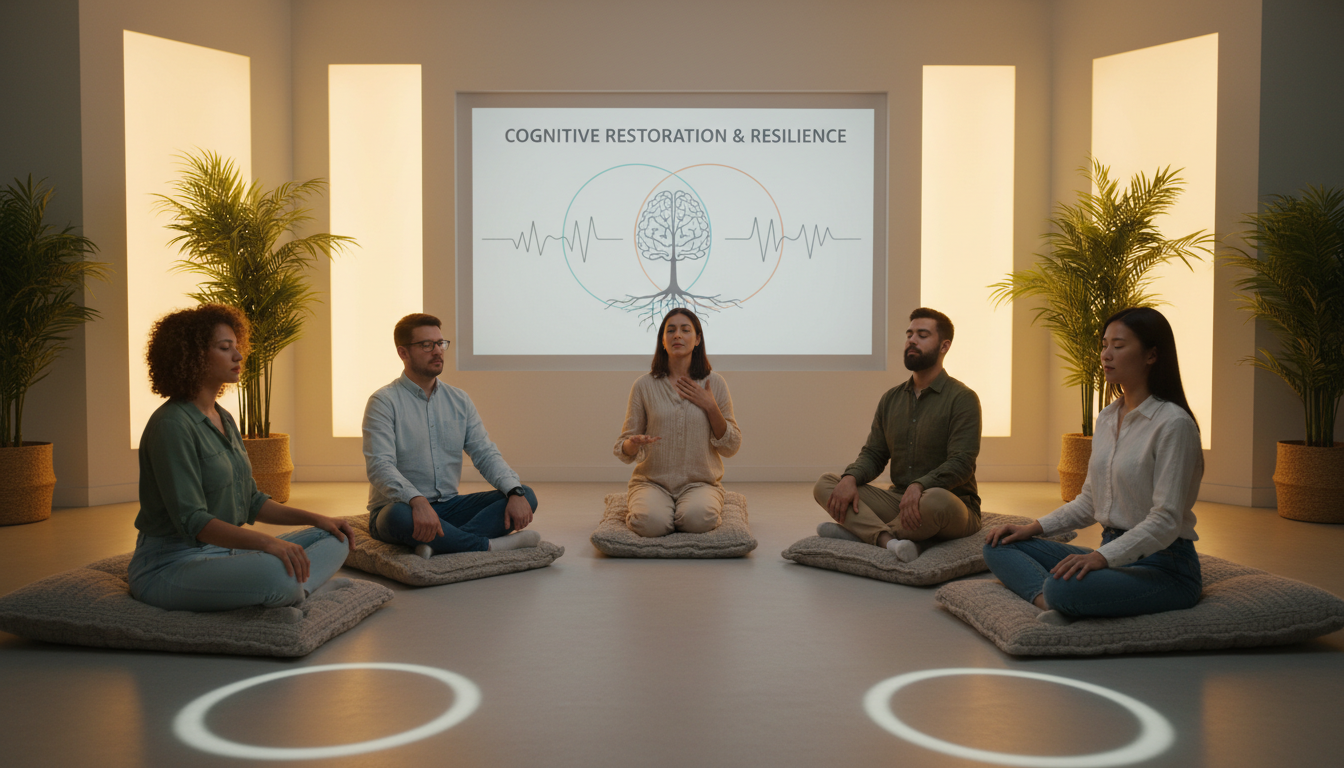
- Mindfulness and Meditation: Practicing mindfulness can help you stay grounded and focused, reducing stress.
- Physical Activity: Regular exercise releases endorphins, improving mood and reducing anxiety.
- Healthy Diet: Eating a balanced diet can positively impact your mental health.
Establishing a Healthy Routine
Creating a balanced routine can significantly reduce stress levels. This includes setting a regular sleep schedule, taking breaks during work, and engaging in activities that you enjoy. Consistency in daily habits promotes stability and a sense of control.

The Role of Social Support
Having a strong support network can be a powerful tool in managing stress. Whether it’s friends, family, or support groups, sharing your feelings with others can provide relief and different perspectives on handling situations.
Professional Help and Therapy
If stress and anxiety feel unmanageable, seeking professional help is a wise choice. Therapists can offer guidance, coping strategies, and therapies such as cognitive-behavioral therapy (CBT) to help you understand and manage your stress better.

Embracing Relaxation Techniques
Incorporating relaxation techniques into your daily routine can be highly beneficial. Techniques such as deep breathing, yoga, and progressive muscle relaxation can effectively reduce tension and promote a state of calmness.
Setting Boundaries
Learning to say no and setting boundaries is essential in preventing burnout. Prioritizing tasks and knowing your limits can help maintain balance and reduce unnecessary stress. Remember, taking care of yourself is not a luxury—it's a necessity.
By implementing these strategies, you can find a balance that fosters mental health and well-being, allowing you to navigate life's challenges with greater ease.