From Stress to Success: Techniques Life Coaches Use to Manage Anxiety
NC
Understanding Anxiety and Its Impact
In today's fast-paced world, anxiety is a common challenge that many face. It's a natural response to stress, but when it becomes overwhelming, it can hinder personal and professional growth. Life coaches are increasingly helping individuals turn this stress into success by employing effective techniques tailored to managing anxiety.

Mindfulness and Meditation
One of the most powerful tools life coaches use is mindfulness meditation. This practice involves focusing on the present moment and observing thoughts without judgment. By dedicating just a few minutes daily to mindfulness, individuals can significantly reduce stress and promote inner peace. Meditation helps in calming the mind, enhancing focus, and improving emotional resilience.
Life coaches often guide their clients through deep breathing exercises and visualization techniques. These methods can quickly ground someone experiencing anxiety and promote a sense of calm.
Cognitive Behavioral Techniques
Cognitive Behavioral Therapy (CBT) techniques are another cornerstone in a life coach's toolkit. These techniques involve identifying negative thought patterns and replacing them with more balanced, positive ones. By challenging irrational beliefs, individuals can reduce anxiety and build a more optimistic outlook.

Life coaches may use journaling as a tool to help clients track their thoughts and emotions. This practice encourages self-reflection and helps in recognizing triggers and patterns that contribute to anxiety.
Goal Setting and Time Management
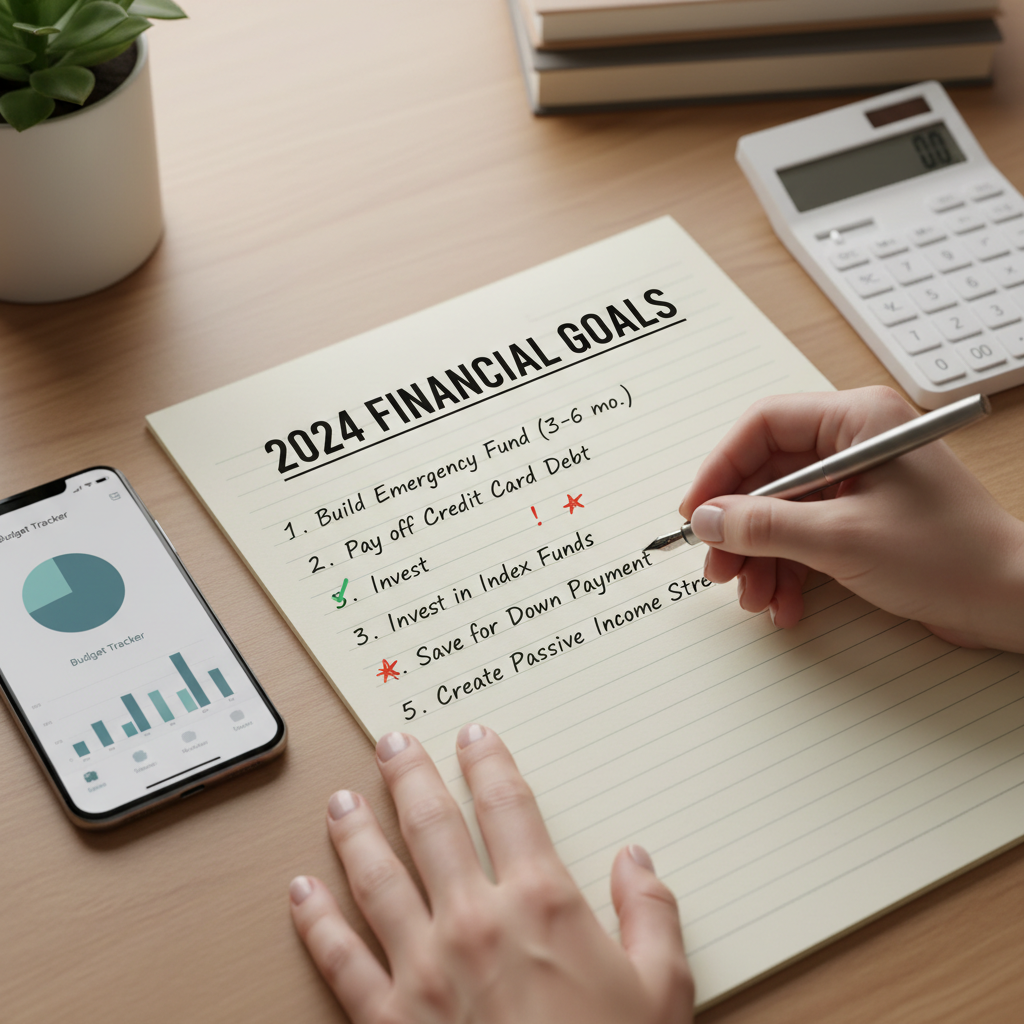
Setting realistic and achievable goals is crucial in managing anxiety. Life coaches assist clients in breaking down larger tasks into smaller, manageable steps. This approach helps prevent overwhelm and provides a clear path forward, reducing stress and increasing motivation.
Effective time management strategies, such as prioritizing tasks and setting deadlines, also play a vital role in reducing anxiety. By organizing their time efficiently, individuals can focus on what's truly important and avoid unnecessary stress.
Physical Activity and Lifestyle Changes
Regular physical activity is known to reduce anxiety levels. Life coaches often recommend incorporating exercise into daily routines, as it releases endorphins, which are natural mood lifters. Even a short walk or a quick workout session can make a significant difference.
Additionally, life coaches may advise on lifestyle changes, such as maintaining a balanced diet and ensuring adequate sleep. These elements are essential for overall well-being and can greatly impact anxiety levels.
Building a Support System
Having a strong support system is invaluable in managing anxiety. Life coaches encourage clients to build connections with supportive friends, family, and peers. Sharing experiences and seeking advice from others can provide comfort and new perspectives.
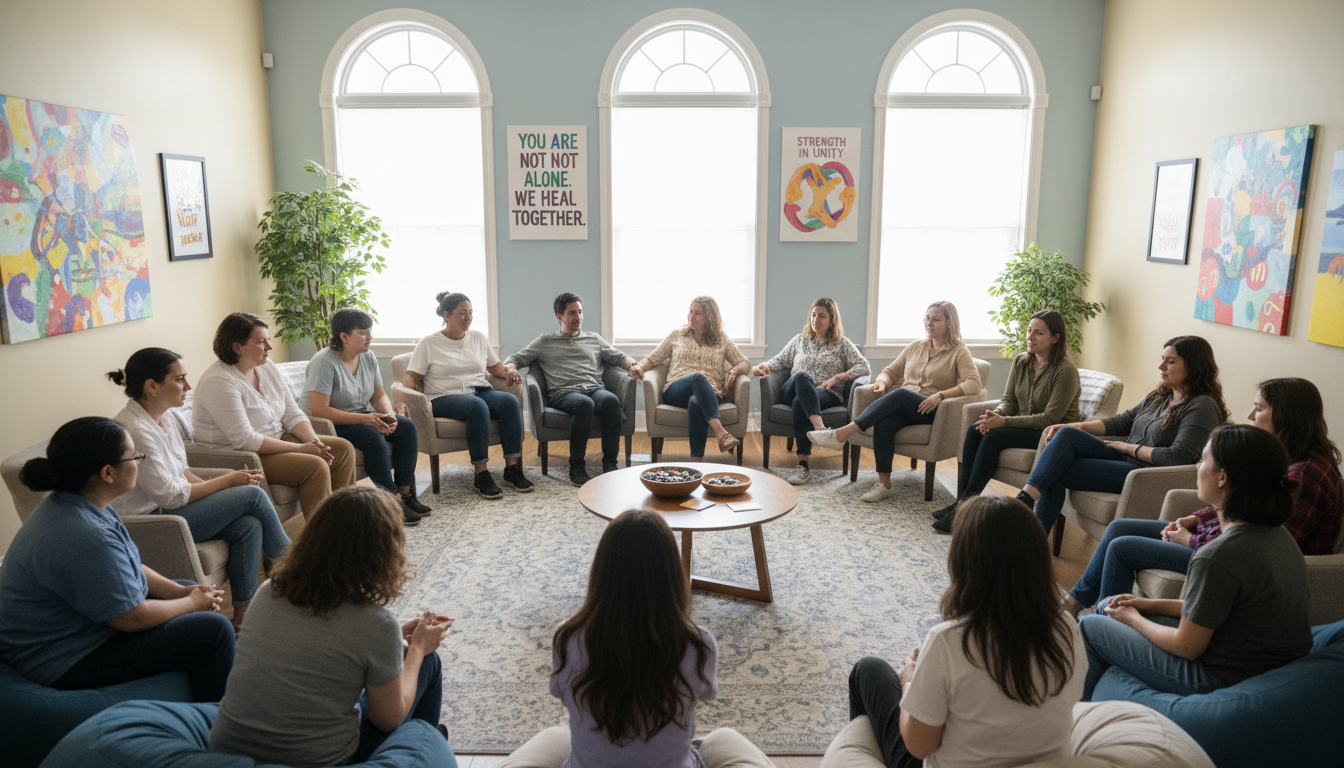
Group coaching sessions and workshops can also offer a sense of community and shared understanding, which can be incredibly empowering for those dealing with anxiety.
In conclusion, the journey from stress to success involves a combination of mindfulness, cognitive techniques, goal setting, physical activity, and a strong support network. By employing these strategies, individuals can transform anxiety into a driving force for personal growth and achievement. Life coaches play a pivotal role in guiding this transformation, helping to unlock potential and foster resilience.